

Pap Smear Guidelines: How Often Do You Really Need One?

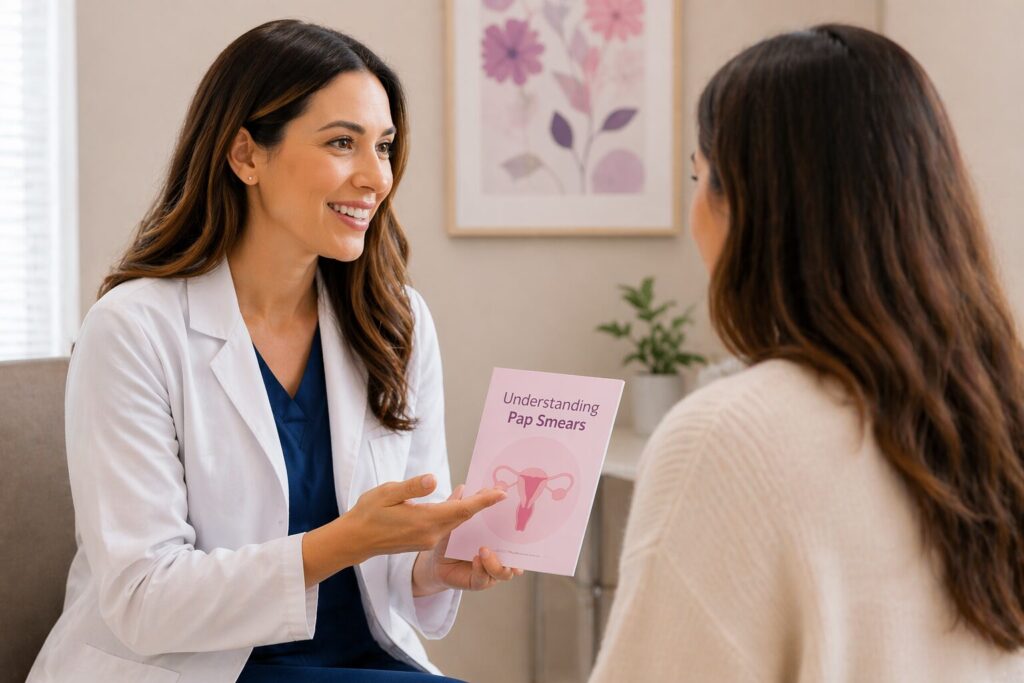
OB-GYN discussing Pap smear screening with patient in clinic

Pap Smear Guidelines: How Often Do You Really Need One?

When it comes to women’s preventive health, few screenings are as important — or as misunderstood — as the Pap smear. Many women are unsure how often they actually need a Pap test, when they should begin screening, or whether they still need one after menopause or a hysterectomy. The truth is that Pap smear guidelines have evolved over time based on extensive research, making screening more personalized and effective than ever before.
Understanding current Pap smear recommendations can help you stay proactive about your health while avoiding unnecessary testing. Whether you are scheduling your first gynecology appointment, returning for annual wellness care, or wondering if you are overdue for screening, knowing the latest cervical cancer screening guidelines is essential.

What Is a Pap Smear?

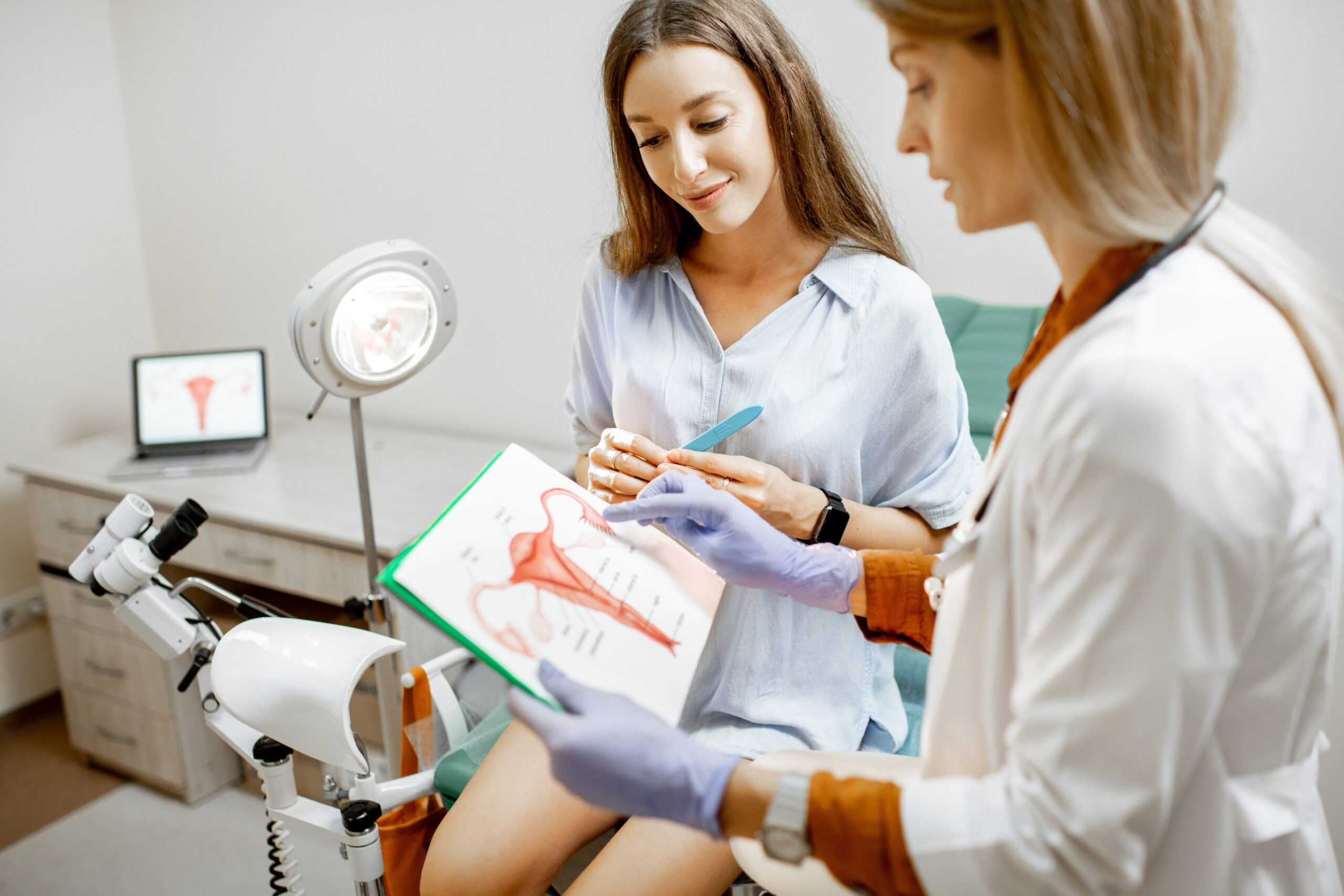
OB-GYN provider explaining Pap smear procedure to patient using diagram

A Pap smear, also called a Pap test, is a simple screening procedure used to detect abnormal cells on the cervix before they become cancerous. During the exam, your healthcare provider gently collects cells from the cervix using a small brush or swab. These cells are then sent to a laboratory to identify any abnormal changes.

Pap smears play a critical role in preventing cervical cancer because they help detect precancerous changes early — often before symptoms ever develop.

Cervical cancer develops slowly over time, which makes routine screening highly effective. In fact, widespread Pap smear screening has dramatically reduced cervical cancer rates and deaths over the last several decades.

Why Are Pap Smears Important?

Many women assume that if they feel healthy or have no symptoms, they do not need a Pap smear. However, cervical abnormalities often develop silently. Early-stage cervical cell changes usually do not cause pain, bleeding, or visible symptoms.

Routine Pap testing helps identify:

  • Precancerous cervical cell changes
  • Cervical cancer in its earliest stages
  • Human papillomavirus (HPV)-related cervical risk
  • Ongoing cervical health concerns
  • The need for additional testing or monitoring

The earlier abnormal cells are found, the easier they are to treat.

What is HPV and Why Does It Matter

Human papillomavirus (HPV) is one of the most common sexually transmitted infections and is closely linked to cervical cancer.

Certain strains of HPV are considered “high risk” because they can cause abnormal cervical cell growth. Most sexually active individuals will encounter HPV at some point in their lives, but many infections clear naturally without treatment.
Persistent high-risk HPV infections are what healthcare providers monitor most closely.

Because HPV is strongly associated with cervical cancer risk, HPV testing is often combined with Pap smear screening depending on age and risk level.

Pap Smear Guidelines by Age

Current screening recommendations are based on guidelines from major medical organizations, including the American College of Obstetricians and Gynecologists (ACOG) and the United States Preventive Services Task Force (USPSTF).

Ages 21–29

Women should begin Pap smear screening at age 21, regardless of sexual activity history.

For this age group:

  • Pap smear every 3 years
  • HPV testing is typically not routine unless abnormal cells are found
  • Annual well-woman visits are still recommended

Even if your Pap smear is only needed every three years, annual gynecology visits remain important for breast exams, contraception counseling, menstrual concerns, and overall reproductive health.

Ages 30–65

Women between ages 30 and 65 have several screening options depending on personal risk factors.

Most providers recommend one of the following:

  • Pap smear every 3 years
  • HPV testing every 5 years
  • Co-testing (Pap smear + HPV test) every 5 years

HPV testing becomes more valuable in this age group because persistent infections are more clinically significant.

Age 65 and Older

Women over age 65 may be able to stop Pap smear screening if:

  • They have had several consecutive normal Pap smear results
  • They have no history of cervical cancer or significant abnormal cervical cells
  • They are considered low risk by their provider

However, this decision should always be discussed with a healthcare professional.

How Often Should You Get a Pap Smear?

One of the biggest misconceptions is that every woman needs a Pap smear every year.

While annual gynecology visits remain important, cervical cancer screening frequency has changed.

Most healthy women do not require a yearly Pap smear unless:

  • They have a history of abnormal Pap results
  • They are immunocompromised
  • They have HPV-related concerns
  • They are at higher cervical cancer risk
  • Their provider recommends closer monitoring

Your provider will recommend a screening schedule based on your age, medical history, and risk profile.

Do You Still Need a Pap Smear After Menopause?

Doctor reassuring older patient during women’s health visit

Yes

Many women still require Pap smear screening after menopause.

Menopause does not automatically eliminate cervical cancer risk. Screening recommendations are based on age, health history, and previous Pap results.

Women who have gone through menopause should continue regular gynecological care and discuss screening recommendations with their provider.

Do You Need a Pap Smear After a Hysterectomy?

The answer depends on the type of hysterectomy you had.

You may not need Pap smear screening if:

  • Your cervix was removed during a total hysterectomy
  • The hysterectomy was not related to cancer or precancerous cells
  • You have no history of cervical abnormalities

You may still need screening if:

  • Your cervix remains intact
  • You had a history of cervical cancer or dysplasia
  • You are considered high risk

Your healthcare provider can determine what screening schedule is appropriate

Common Pap Smear Questions

Does a Pap Smear Hurt?

Most women describe a Pap smear as mildly uncomfortable rather than painful. The test itself typically takes only a few minutes.

You may feel slight pressure during the exam, but discomfort is usually brief.

How Long Does a Pap Smear Take?

The Pap smear portion of your exam often takes less than five minutes.

Can You Get a Pap Smear While on Your Period?

It is best to avoid scheduling a Pap smear during heavy menstrual bleeding because blood can interfere with test results.

Can Pap Smears Detect STDs?

Pap smears do not directly test for sexually transmitted infections, but providers may recommend additional STI testing during your appointment.

Why Preventive Women’s Healthcare Matters

  • Routine preventive care is one of the best ways to protect your long-term health.

    Pap smears are just one part of comprehensive women’s healthcare. Regular gynecology appointments also support:

    • Hormonal health
    • Birth control counseling
    • Fertility planning
    • Menopause management
    • Breast health screening
    • Pelvic health evaluation
    • Sexual wellness

    Preventive care helps identify concerns early, often before symptoms begin.

    Staying current with Pap smear guidelines is an important step toward protecting your health.

    Whether you are due for cervical cancer screening, have questions about HPV testing, or simply want to stay proactive with preventive care, regular gynecology visits matter.

    Your healthcare provider can recommend the right screening schedule based on your age, health history, and personal risk factors.

    If you are unsure when your last Pap smear was or whether you are due for screening, now is a great time to schedule a well-woman exam.

    👉 Schedule your well-woman exam today.

Related Posts

Traducir